Fast WooCommerce storefronts for fashion brands
For apparel stores where mobile speed, size selection, product discovery and visual merchandising directly affect revenue.
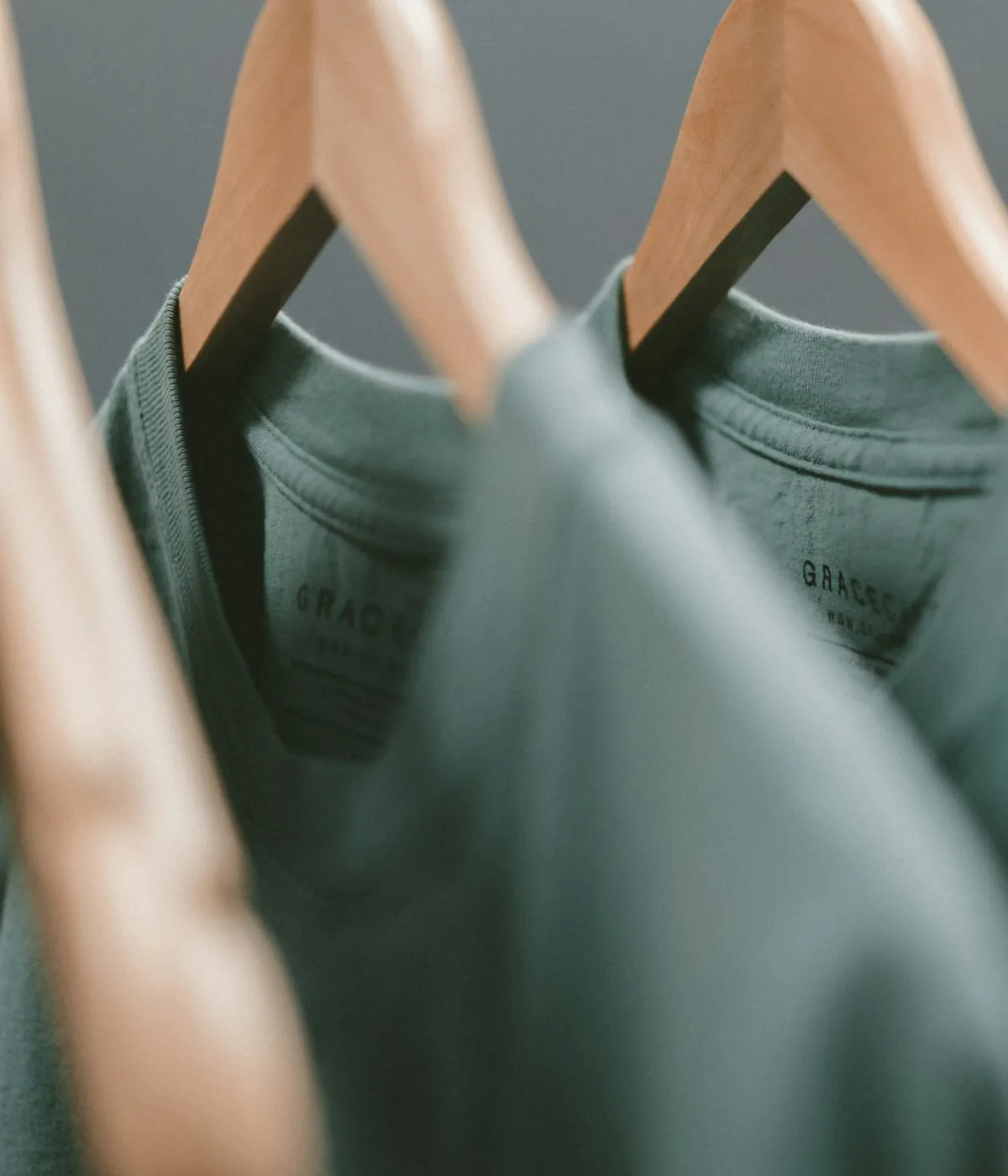
Fashion WooCommerce stores are rarely simple catalogs. Shoppers compare sizes, colors, materials, fits, editorial lookbooks and campaign imagery before they add to cart. A slow WordPress theme can turn that journey into heavy sliders, delayed product grids, unstable images and variation forms that feel risky on mobile. NextWoo keeps WooCommerce as the backend and rebuilds the customer-facing storefront with Next.js so the shopping path is faster without losing products, orders, coupons or checkout workflows.
Fashion-specific storefront problems
Fashion stores put unusual pressure on frontend performance because imagery and variants are part of the buying decision. Large campaign photos, hover galleries, color swatches, size selectors, wishlist tools, recommendations and Instagram-style blocks often load together. The audit separates visual value from theme weight so the new storefront keeps the merchandising experience but removes unused scripts and unstable layout behavior.
- Large lookbook and campaign images that hurt mobile LCP
- Color and size variations that need fast, clear selection states
- Collection pages with filters for size, color, fit, material and availability
- Product cards that need strong imagery without shipping a heavy theme payload
Size charts, SKUs and returns stay in the admin you know
The operational store remains familiar. Products, SKUs, categories, attributes, size charts, stock, coupons, customer records, orders and refunds stay in WordPress and WooCommerce. Admin-side tools continue to run where they already work. The default launch path keeps native WooCommerce checkout unless a fully custom checkout is explicitly scoped after payment, tax, shipping and returns checks.
Collection pages that stop shifting under a thumb
The customer layer becomes a controlled Next.js application. Collection pages can render faster product grids, cleaner filters, optimized images and stable layouts. Product pages can prioritize the main image, reserve gallery space, make size selection clearer and reduce JavaScript that does not help the shopper. The goal is not to flatten the brand; it is to rebuild the brand experience with less frontend waste.
Mobile collection UX
Fashion traffic is often mobile-first, so category and collection pages need a careful interaction model. Filters should open quickly, applied filters should be visible, size availability should not require opening every product, and sale or new-arrival collections should stay crawlable. NextWoo maps the existing taxonomy against Search Console query data before implementation, so the filter views already earning impressions stay crawlable and the rest never enter the index.
SEO and merchandising safety
Fashion stores often depend on seasonal pages, collection URLs, editorial content and image search. The migration plan preserves priority URLs, maps redirects, carries metadata and structured data, checks hreflang where needed and tests analytics events around product views, add-to-cart, size selection and checkout starts. Campaign pages can be rebuilt as fast templates instead of being left as builder-heavy landing pages.
Launch measurement
The migration should be judged against buyer behavior, not only lab scores. Before launch we define the key fashion paths: collection view, filter use, product view, size selection, wishlist or save action, add-to-cart and checkout start. After launch those events show whether the faster storefront also makes shopping easier. The one to watch hardest is size selection: in apparel, where returns are a structural cost and never an exception, a shopper who changes size three times before adding to cart is telling you the size guide is not doing its job.
Returns, sizing and the fashion conversion problem
Fashion has a conversion problem other categories do not: returns. Fit is what those returns are about, and every avoidable one is margin lost after the sale already looked won. The storefront can help by making fit information easy to reach at the decision point — a clear size guide, garment measurements, fit notes and 'true to size' signals next to the variation selector, where a tab hides them. Faster, clearer product pages also let shoppers actually read that information on mobile instead of guessing. Put the size system in the markup too — Google merchant listings read size and sizeSystem, and a US 8 is not a UK 8 to a shopper or to a feed. Reducing size-driven returns is often worth more to a fashion store than a small conversion-rate bump, because it protects margin on the orders you already win.
- Fit-driven returns erode margin after the sale
- Surface size guides and measurements at the variation selector
- Add fit notes and 'true to size' signals, not buried in a tab
- Reducing returns can beat a small conversion-rate gain
Worth it with traffic, not worth it without
This path fits fashion brands that already have traffic, paid campaigns, organic collection pages or a redesign requirement, but do not want to replace WooCommerce operations. If the store has only a small catalog and weak traffic, image cleanup, theme settings and better hosting may be enough before a storefront migration.
Frequently asked questions
Can we keep size and color variations?
Yes. Variations remain in WooCommerce. The storefront work focuses on making selection, availability and product imagery faster and clearer for shoppers.
Will lookbooks and campaign pages still work?
Yes. Useful editorial and visual sections can be rebuilt as Next.js components with optimized images and stable layouts instead of heavy builder blocks.
Do fashion filters create SEO problems?
They can if every filter combination becomes crawlable. We map indexable collections, canonical behavior and filter rules before launch.
Is this a full replatform?
No. WooCommerce remains the backend by default. The migration replaces the customer-facing storefront while protecting checkout and operations.
Mobile WooCommerce store
Fix a slow WooCommerce store on mobile: faster mobile Core Web Vitals, a thumb-friendly buying flow and a lighter storefront where most of your traffic actually is.
Product filters
Build fast WooCommerce product filters on a Next.js storefront: instant faceted filtering, clean shareable URLs and controlled indexation for large catalogues.
WooCommerce conversion redesign
Redesign your WooCommerce storefront for mobile speed, trust and conversion while keeping WordPress admin, products, orders and checkout workflows intact.
Product page optimization
Turn product pages into answer machines: imagery, variants, honest stock, sizing help, delivery and returns that settle doubt before the add-to-cart tap.
Jewelry stores
Selling jewelry online means selling trust at a high price point: photography, sizing, customisation, certification and a checkout that reassures.
See how many sales your store is losing
Start with a free speed audit. You'll get your store's real numbers and an honest recommendation — even if it's "you don't need us".